

- Home
- »
- Sustainable Production
Sustainable Production
This subprogram aims to boost the intensification and diversification of sustainable agricultural production in priority areas in the Northwest of Mato Grosso. Its main goal is to make credit mechanisms more accessible to small and medium-sized producers, promoting the implementation of good practices and democratizing debates in timber forest management. Furthermore, it also seeks to support environmental regularization through the restoration of degraded and altered permanent preservation areas.
In the First Phase of the REM MT Program, the subprogram was articulated around the chains that historically most impact the natural areas of Mato Grosso, namely: extensive livestock farming, soy and forestry extraction.

1.4 mil
Producers served by ATER

34.214,93
Soybean area (ha) under certification

91.070,32
hectares sob manejo de baixo carbono

5.931
pessoas alcançadas por eventos de inovação

9
SUPPORTED PROJECTS

21.9mi
TOTAL VALUE EXECUTED

23.8mi
TOTAL AMOUNT INVESTED
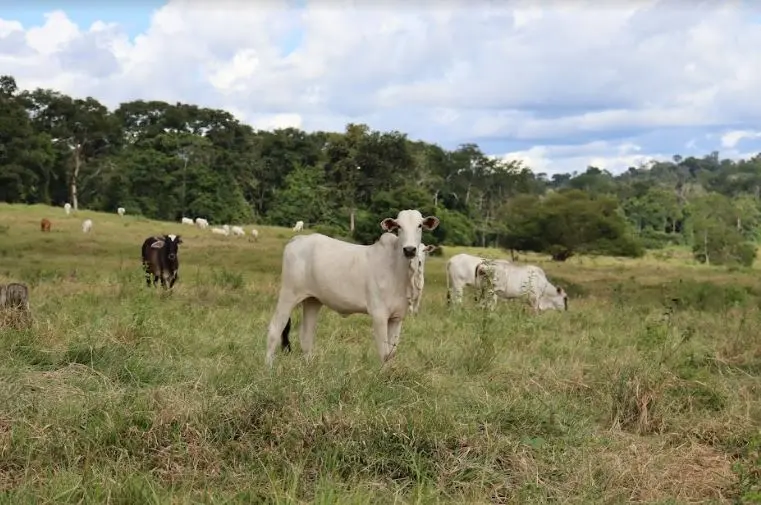
It aims to expand the production of quality meat free from illegal deforestation. To achieve this objective, the axis will support producers who developed, in the first phase, with support from EMPAER, an action plan for sustainable production, with the plan converting into a credit project.
Durante a Fase I, o subprograma investiu em projetos para demonstrar a viabilidade técnica e econômica de práticas de pecuária sustentável e na certificação de soja.
For wood, the subprogram contributes to the adaptation of SISFLORA 2.0 – the wood chain of custody monitoring system – and also offers training to SEMA analysts.
Currently, the actions focused on implementing a training plan for reduced impact exploration covering the main stages of Forest Management; promote the study of the current scenario, potential and temporal sustainability of Sustainable Forest Management in MT; and, establish a Permanent Forum for Sustainable Forest Management in Mato Grosso.
According to data from CIPEM, the state is responsible for 50% of all legal timber produced in Brazil and has 4.2 million hectares managed.